How To Read A Supplement's Return Policy
Most people read the guarantee on a sales page and stop there. The actual return policy, usually linked in small text somewhere below, is where the real terms live.
Why Sales Pages Simplify
A sales page is written to remove friction from the decision to buy. "No questions asked" does that job well — it's short, reassuring, and easy to remember. It's also, almost by design, less precise than a dedicated policy page needs to be.
What A Return-Policy Page Usually Covers That A Sales Page Doesn't
- Exactly how many days you have, and when that window starts counting.
- Whether opened, used, or partially-used products are eligible.
- Who pays for return shipping.
- How long processing actually takes once your return is received.
- Any restocking fee, minimum trial period, or other condition not mentioned in the ad.
A Real Example Worth Learning From
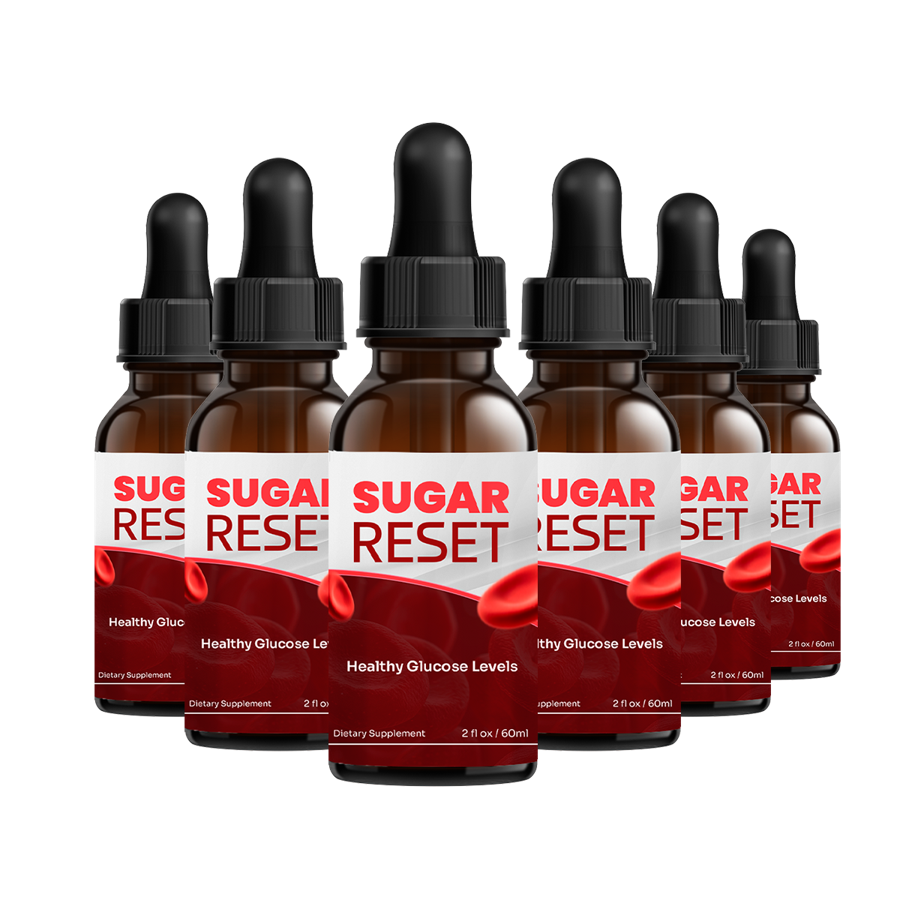
Sugar Reset's own sales page promises a simple, no-questions-asked refund. Its own linked return-policy page adds real specifics: every bottle back, customer-paid shipping, a defined processing window. Neither page is lying, exactly — they're just answering different questions at different levels of detail, and only one of them is what most buyers actually picture from the ad.
A Simple Habit To Adopt
Before ordering anything with a guarantee attached, find the actual return-policy page (not just the sales-page mention), read it once, and save a copy. It takes two minutes and it's the difference between assuming and knowing. See our full breakdown of Sugar Reset's specific terms for a worked example.
Written for general background, not medical advice. This page earns a commission on orders through links to the official store — see our about page.